

Introduction:
In the pursuit of sustainable living, a solar energy setup stands out as a cornerstone for individuals and communities seeking to reduce their environmental footprint. “Green Living 101: The Essentials of a Solar Energy Setup” is a comprehensive exploration of the key components, benefits, and considerations involved in embracing solar power. This guide is designed to equip readers with the knowledge needed to embark on a journey towards a greener, more sustainable lifestyle.
Understanding Solar Energy:
At the heart of any solar energy setup lies the understanding of how sunlight is harnessed and transformed into electricity. Solar panels, comprised of semiconductor materials such as silicon, capture photons from sunlight, initiating the release of electrons and generating an electric current through the photovoltaic effect. This fundamental process sets the stage for the entire solar power system.
Components of a Solar Energy Setup:
- Solar Panels:
- These are the workhorses of a Solar Energy Setup, responsible for converting sunlight into electricity. The choice between monocrystalline, polycrystalline, or thin-film panels depends on factors like efficiency and cost.
- Inverter:
- The inverter plays a pivotal role in converting the direct current (DC) produced by solar panels into alternating current (AC), which is compatible with standard household appliances.
- Mounting and Racking System:
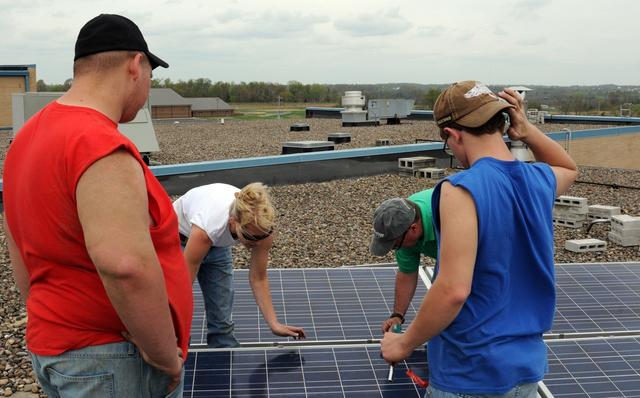
- Proper installation is crucial for optimal energy production. Mounting and racking systems secure solar panels in a position that maximizes exposure to sunlight.
- Battery Storage (Optional):
- For those aiming for energy independence or seeking backup power during outages, a battery storage system stores excess energy generated by solar panels for later use.
- Charge Controller (Optional):
- In off-grid setups, a charge controller regulates the voltage and current from solar panels to prevent overcharging and protect the battery bank.
Designing Your Solar Energy Setup:
Green living starts with thoughtful planning and a design that aligns with individual energy needs and environmental considerations.
- Energy Needs Assessment:
- Understanding current energy consumption patterns is essential for determining the size and capacity of the solar energy setup required.
- Site Evaluation:
- A thorough evaluation of the installation site is vital. Factors such as sunlight exposure, shading, and local climate conditions should be considered to optimize efficiency.
- Budgeting and Financing:
- Developing a budget that considers the initial investment, potential government incentives, and long-term savings is crucial. Exploring financing options can make solar energy accessible to a wider audience.
Environmental Impact and Benefits:
- Reduced Carbon Footprint:
- Solar energy significantly reduces reliance on fossil fuels, minimizing greenhouse gas emissions and contributing to a cleaner environment.
- Financial Savings:
- Over time, the initial investment in a solar energy setup pays off through reduced electricity bills and potential income from excess energy generation.
- Energy Independence:
- Solar power provides a degree of energy independence, particularly in off-grid setups. This autonomy becomes increasingly valuable during power outages or in remote areas without reliable access to the grid.
Summary:
“Green Living 101: The Essentials of a Solar Energy Setup” serves as a foundational guide for individuals and communities seeking a sustainable lifestyle. By understanding the core principles of solar energy, exploring the components of a solar power system, and planning a setup that aligns with individual needs, readers can embark on a journey toward greener living. The environmental and financial benefits of solar energy contribute not only to individual well-being but also to the collective effort to build a more sustainable and resilient future. As the world embraces the essentials of solar energy, each step taken brings us closer to a planet powered by clean, renewable, and abundant sunlight.
