

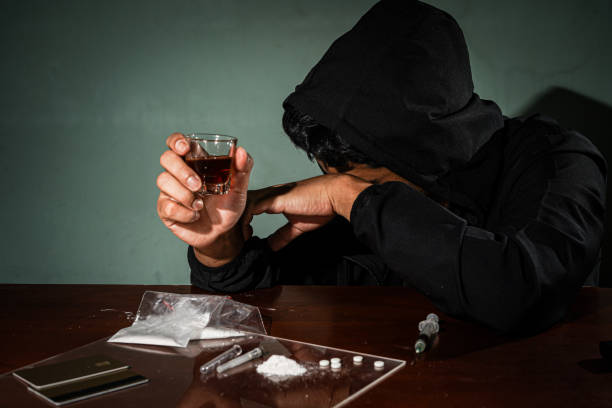
Crack cocaine is a powerful stimulant that can affect the brain, heart, lungs, and mental health. Because its effects can occur rapidly, repeated use can lead to strong cravings and cocaine use disorder. Understanding the effects, health risks, warning signs of addiction, and available treatment options can help people recognize a problem and seek appropriate support. Understanding the health consequences of crack cocaine is important for recognizing the risks associated with stimulant misuse.
What Is Crack Cocaine?
Crack cocaine is a smokable form of cocaine. It is a central nervous system stimulant that can produce an intense but short-lived effect. Smoking allows cocaine to reach the brain very quickly, which contributes to its high potential for repeated use and dependence. Public-health education about buy peruvian cocaine search terminology can help readers recognize the risks associated with illicit cocaine markets.
Crack cocaine affects the brain’s reward system and can produce feelings such as euphoria, increased alertness, energy, and confidence. However, these effects are accompanied by potentially serious physical and psychological risks.
Short Term Effects of Crack Cocaine
The immediate effects can vary between individuals and may depend on factors such as overall health, frequency of use, and whether other substances are involved. Understanding the dangers of blue crystal meth is important because appearance does not establish purity or safety.
Common short-term effects may include:
- Increased heart rate and blood pressure
- Increased alertness and energy
- Euphoria
- Restlessness and agitation
- Anxiety and irritability
- Dilated pupils
- Reduced appetite
- Paranoia
- Increased body temperature
Some people can experience severe reactions, including seizures, irregular heartbeat, stroke, heart attack, or loss of consciousness.
Long Term Crack Cocaine Risks
Repeated crack cocaine use can have significant consequences for physical and mental health. Understanding the dangers of china white heroin is important because street names do not reliably identify a substance’s composition.
Cardiovascular Problems
Cocaine places substantial stress on the cardiovascular system. It can increase blood pressure and heart rate while constricting blood vessels. These effects can contribute to heart attack, abnormal heart rhythms, stroke, and other cardiovascular emergencies. People searching for buy amphetamine online should understand the health and legal risks associated with obtaining unregulated substances.
Importantly, serious cardiovascular complications can occur even in people who do not have a previous heart condition.
Respiratory Problems
Because crack cocaine is smoked, the lungs can be particularly affected. Long-term use may contribute to coughing, breathing difficulties, lung inflammation, chest pain, and other respiratory complications. Severe respiratory problems can become life-threatening.
Mental Health Effects
Frequent cocaine use can affect mood and psychological well-being. Possible problems include anxiety, depression, paranoia, sleep disturbances, hallucinations, and psychosis. Long-term use can also affect normal brain reward pathways, making cravings and continued use more difficult to control.
Nutrition and Sleep Problems
Cocaine can suppress appetite and reduce the perceived need for sleep. Persistent use may therefore contribute to poor nutrition, exhaustion, and disrupted sleep patterns.
Signs of Crack Cocaine Addiction
Cocaine use disorder is more than simply using the drug frequently. It can involve persistent cravings, difficulty controlling use, and continued use despite negative consequences.
Possible warning signs include:
- Strong or recurring cravings
- Increasing time spent obtaining or using cocaine
- Difficulty stopping despite wanting to quit
- Neglecting work, school, relationships, or responsibilities
- Continuing to use despite physical or psychological problems
- Increasing tolerance
- Withdrawal symptoms after stopping
- Repeated attempts to quit that do not succeed
Smoking crack can produce a rapid and intense effect, followed by a relatively short duration. This pattern can encourage repeated use and contribute to compulsive use. Understanding the medical uses and potential side effects of ephedrine hcl is important for making informed health decisions.
Crack Cocaine Withdrawal
Stopping regular cocaine use can produce a withdrawal period. Unlike some substances where withdrawal may primarily involve severe physical symptoms, cocaine withdrawal can involve substantial psychological and emotional effects.
Possible symptoms include:
- Fatigue
- Depression
- Irritability
- Increased appetite
- Sleep disturbances
- Difficulty concentrating
- Low energy
- Strong cravings
- Restlessness
Some people may experience severe depression or suicidal thoughts during withdrawal. Anyone experiencing suicidal thoughts should seek urgent professional help rather than attempting to manage the situation alone.
Crack Cocaine Overdose Risks
A cocaine overdose can be life-threatening. Possible signs of a serious stimulant overdose include chest pain, severe agitation, seizures, extreme overheating, irregular heartbeat, stroke-like symptoms, or loss of consciousness. People searching for buy ketamine powder online should understand the risks of unregulated products.
There is no medication that directly reverses a cocaine overdose in the same way that naloxone can reverse an opioid overdose. Medical professionals can nevertheless provide emergency treatment to manage dangerous symptoms and complications.
If an overdose is suspected, contact local emergency medical services immediately. Do not wait for symptoms to disappear.
How Crack Cocaine Addiction Is Treated
Treatment for cocaine use disorder can be effective, although recovery often requires ongoing support. A healthcare professional or addiction specialist can assess the person’s substance use, physical health, mental health, and other factors before developing an appropriate treatment plan.
Behavioral Therapy
Behavioral therapies are an important part of treatment for cocaine use disorder. Cognitive behavioral therapy, for example, can help people identify triggers, change harmful thought patterns, develop coping strategies, and reduce the likelihood of returning to cocaine use.
Outpatient Treatment
Some people receive treatment while continuing to live at home. Outpatient programs may provide counseling, behavioral therapy, addiction education, and regular professional support. The appearance of ketamine crystals cannot establish their purity, composition, or safety.
Residential Treatment
People with severe substance use problems or an unstable home environment may benefit from a residential treatment program. These programs provide structured support and access to addiction and mental-health professionals.
Treatment for Co-Occurring Conditions
Addiction can occur alongside depression, anxiety, trauma, or other mental-health problems. Addressing these conditions as part of treatment can be important for long-term recovery. Cocaine addiction treatment should consider the person’s broader psychological and social circumstances.
Can Someone Recover From Crack Cocaine Addiction?
Yes. Cocaine use disorder is treatable, and recovery is possible. Progress can involve setbacks, so returning to treatment after a relapse can be an important part of recovery rather than a reason to give up.
Building a support network, identifying triggers, participating in evidence-based therapy, and addressing underlying mental-health or social problems can all contribute to sustained recovery.
When to Seek Professional Help
Anyone who finds it difficult to stop using crack cocaine, experiences repeated cravings, or continues using despite serious consequences should consider speaking with a healthcare professional or addiction treatment provider. Understanding the health dangers of black tar heroin is important for preventing serious opioid-related complications.
Emergency medical assistance is particularly important when someone develops chest pain, difficulty breathing, seizures, severe confusion, extreme agitation, loss of consciousness, or symptoms suggesting a heart attack or stroke. People searching for buy mdma should understand the potential health dangers associated with unregulated substances.
Conclusion
Crack cocaine can produce powerful short-term effects but carries serious risks to cardiovascular, respiratory, neurological, and mental health. Repeated use can lead to cravings, tolerance, withdrawal, and cocaine use disorder. Fortunately, professional addiction treatment, behavioral therapy, and ongoing support can help people stop using cocaine and work toward long-term recovery. Understanding the regulatory status of ketamine nasal spray compounded products is important for patient safety.
