

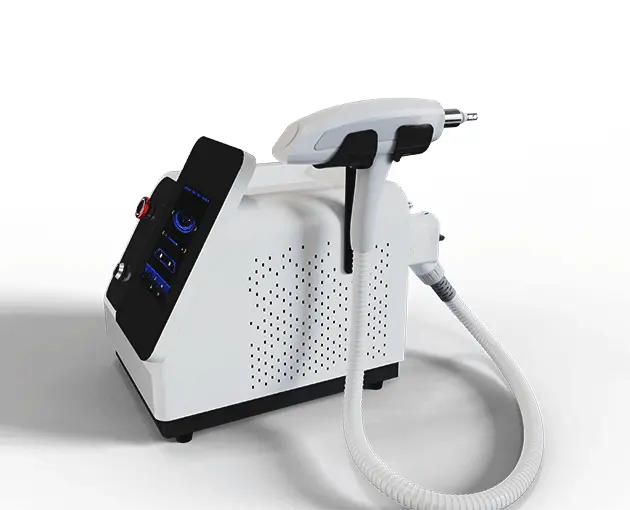
Selecting the ideal laser tattoo removal machine for your clinic can be a daunting task. With numerous options available and various factors to consider, making an informed decision is crucial to ensure the best outcomes for your patients and your practice. This comprehensive FAQ guide addresses common questions and provides detailed insights to help you choose the right machine for your clinic.
1. What are the different types of laser technologies used for tattoo removal?
Answer:
Laser tattoo removal machines generally utilize two main types of laser technologies:
- Q-Switched Lasers: These lasers deliver high-energy pulses in a very short duration, effectively breaking down tattoo ink particles. They are effective on a wide range of ink colors and are commonly used in tattoo removal. Q-switched lasers come in different wavelengths, such as Nd
(1064nm and 532nm) and Ruby (694nm), which are suitable for various ink colors.
- Picosecond Lasers: These lasers operate with even shorter pulse durations than Q-switched lasers, resulting in finer ink fragmentation. This technology is effective on stubborn colors like green and blue and often requires fewer treatment sessions. Picosecond lasers are advanced and tend to be more expensive but offer faster and more precise results.
2. How do I choose between Q-Switched and Picosecond lasers?
Answer:
Choosing between Q-Switched and Picosecond lasers depends on several factors:
- Tattoo Colors: Picosecond lasers generally provide better results for challenging ink colors and are effective for removing a broader spectrum of colors. Q-Switched lasers are still highly effective but might require more sessions for certain colors.
- Treatment Speed: Picosecond lasers can achieve faster results with fewer treatments due to their ability to break down ink particles more effectively. If you want to minimize the number of sessions needed, a picosecond laser might be the better choice.
- Budget: Picosecond lasers are typically more expensive than Q-Switched lasers. Consider your budget and whether the additional cost aligns with the benefits offered by picosecond technology.
3. What factors should I consider when evaluating a laser tattoo removal machine?
Answer:
When evaluating a laser tattoo removal machine, consider the following factors:
- Wavelengths Available: Machines with multiple wavelengths provide flexibility in treating various ink colors and skin types. Look for lasers that offer a range of wavelengths suitable for the tattoos you expect to encounter.
- Energy Output: Higher energy output can lead to more effective ink fragmentation and faster results. However, it should be balanced with the need for safety and patient comfort.
- Pulse Duration: Shorter pulse durations, such as those in picosecond lasers, can reduce treatment time and enhance effectiveness, especially for stubborn tattoos.
- Cooling System: An advanced cooling system can improve patient comfort and reduce the risk of side effects during and after treatment.
- Ease of Use: User-friendly controls and interfaces make it easier for practitioners to operate the machine and adjust settings as needed.
- Safety Features: Ensure the machine has safety features such as automatic shut-off and precise calibration to prevent complications and ensure what is the best laser tattoo removal machine effective treatments.
4. How important is the cooling system in a laser tattoo removal machine?
Answer:
The cooling system is a critical component in a laser tattoo removal machine. It plays a significant role in:
- Patient Comfort: A well-designed cooling system reduces discomfort during the procedure by minimizing the heat sensation on the skin.
- Preventing Side Effects: Effective cooling can help prevent adverse effects such as burns, hyperpigmentation, and swelling, ensuring a safer treatment experience for patients.
- Enhancing Results: Proper cooling allows for higher energy settings without compromising patient safety, potentially improving the overall effectiveness of the treatment.
5. What are the benefits of having a multi-wavelength laser?
Answer:
A multi-wavelength laser offers several benefits:
- Versatility: Different wavelengths target different ink colors and skin types. A multi-wavelength machine can address a broader range of tattoo colors and conditions, making it a versatile choice for various patient needs.
- Improved Results: By utilizing multiple wavelengths, the machine can more effectively break down complex or multi-colored tattoos, providing better results.
- Cost-Effectiveness: Investing in a multi-wavelength machine can be more cost-effective in the long run, as it reduces the need for multiple devices and expands the range of treatments your clinic can offer.
6. Are there any specific features that are crucial for effective tattoo removal?
Answer:
Yes, several features are crucial for effective tattoo removal:
- High Energy Output: Ensures efficient ink fragmentation and quicker treatment results.
- Adjustable Spot Sizes: Allows practitioners to customize treatments for different tattoo sizes and designs, improving precision.
- Variable Pulse Duration: Provides flexibility in treatment settings to handle different ink types and skin conditions.
- Advanced Calibration: Ensures accurate energy delivery and optimal treatment outcomes, reducing the risk of side effects.
7. How does the machine’s brand and reputation affect my decision?
Answer:
The brand and reputation of a laser tattoo removal machine can significantly impact your decision:
- Reliability: Established brands with a strong reputation are more likely to offer reliable and well-tested machines. This reduces the risk of malfunctions and ensures consistent performance.
- Support and Training: Reputable brands often provide comprehensive training and support for their machines, which can be invaluable for ensuring your staff is well-trained and able to use the equipment effectively.
- Customer Reviews: Positive reviews and testimonials from other practitioners can provide insights into the machine’s performance and reliability, helping you make a more informed decision.
8. What is the typical cost range for laser tattoo removal machines?
Answer:
The cost of laser tattoo removal machines varies widely based on technology, features, and brand:
- Q-Switched Lasers: Generally range from $30,000 to $70,000, depending on the model and features. They are a more affordable option compared to picosecond lasers.
- Picosecond Lasers: Typically cost between $60,000 and $120,000. These machines are more expensive due to their advanced technology and effectiveness.
- Multi-Application Platforms: Machines that offer additional features and treatments, such as IPL or RF, can range from $80,000 to $150,000, providing versatility beyond tattoo removal.
9. How can I ensure that the machine I choose is compliant with regulatory standards?
Answer:
To ensure compliance with regulatory standards:
- Check Certifications: Verify that the machine is FDA-approved or has the necessary certifications for your region. This ensures that it meets safety and efficacy standards.
- Review Manufacturer Documentation: Request and review documentation from the manufacturer regarding safety features, performance data, and compliance with industry standards.
- Consult with Experts: Seek advice from industry experts or experienced practitioners who can provide insights into the machine’s compliance and performance.
10. What kind of training and support should I expect from the manufacturer?
Answer:
When purchasing a laser tattoo removal machine, you should expect:
- Comprehensive Training: The manufacturer should offer training sessions for your staff, covering machine operation, safety protocols, and treatment techniques.
- Technical Support: Access to technical support for troubleshooting and maintenance issues. Reliable support ensures that any problems can be addressed promptly to minimize downtime.
- Service and Maintenance: Information on service plans and maintenance schedules to keep the machine in optimal condition and extend its lifespan.
Choosing the right laser tattoo removal machine involves careful consideration of various factors, including technology, features, cost, and support. By addressing these frequently asked questions and evaluating your clinic’s specific needs, you can make an informed decision that enhances your practice and provides effective, safe, and efficient tattoo removal treatments for your patients.
