

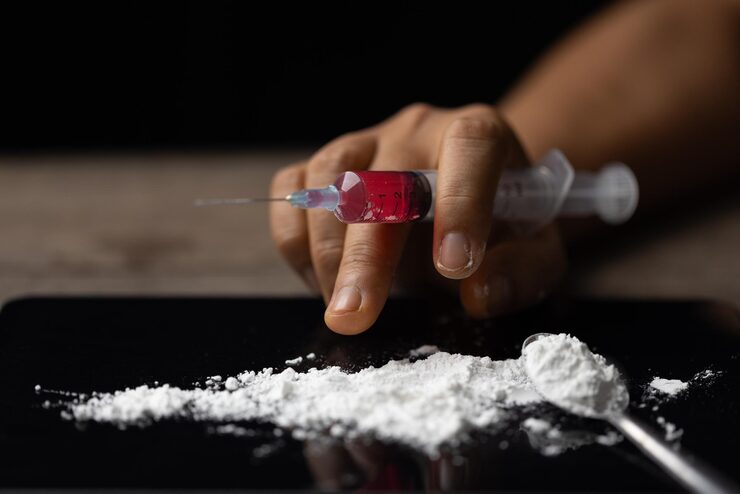
Searching for terms such as “buy cocaine online” can lead people toward websites, social-media accounts, encrypted marketplaces, and other online channels that claim to sell illegal drugs. Although these markets may appear similar to legitimate e-commerce platforms, they operate very differently and carry serious legal, financial, and health risks.
The growth of online drug markets has also created new challenges for public-health authorities. According to the UN Office on Drugs and Crime (UNODC), darknet sales—mostly involving drugs—reached an estimated US$2.5 billion in 2025, while a growing share of retail online drug sales takes place through social media.
What Does “Buy Cocaine Online” Mean?
The phrase “buy cocaine online” generally refers to attempts to locate or purchase cocaine through internet-based channels. Educational resources covering yellow cocaine can explain how unknown composition may increase the potential for unexpected health effects.
These can include:
- Social-media accounts
- Encrypted messaging services
- Darknet marketplaces
- Fraudulent online stores
- Informal websites and forums
- Fake advertisements
Not every website or account claiming to sell cocaine actually has drugs available. Some are simply scams designed to obtain money or personal information from visitors.
The online environment can therefore add another layer of uncertainty to an already unpredictable illicit drug market. People encountering references to china white heroin should avoid assuming that a particular name guarantees a specific chemical composition.
Online Drug Markets Are Not Normal E-Commerce
A major misconception is that an online drug marketplace can provide the same consumer protections associated with legitimate online shopping.
It cannot.
There are generally no reliable guarantees concerning:
- Product authenticity
- Chemical composition
- Purity
- Potency
- Storage conditions
- Seller identity
- Refunds or consumer protection
UNODC reports that darknet markets are highly volatile and frequently disappear, with individual marketplaces having relatively short lifespans.
This means that reviews, product descriptions, photographs, or seller claims should not be interpreted as reliable evidence of what a substance actually contains.
The Risk of Counterfeit or Contaminated Drugs
One of the most serious concerns associated with illicit online markets is the uncertainty surrounding drug composition.
A substance advertised as cocaine may contain cocaine mixed with other substances, a different drug altogether, or potentially dangerous contaminants. UNODC has documented the increasing diversification of illicit drug markets and the appearance of mixtures containing multiple pharmacologically active substances.
This creates a particularly dangerous situation because users may not know what they have actually received.
A photograph, product name, claimed purity percentage, or seller description cannot establish the chemical identity of an unknown powder. Public-health resources discussing flake cocaine can explain the risks associated with unknown mixtures and unexpected ingredients.
Cocaine Itself Carries Significant Health Risks
Even when a substance actually contains cocaine, it can cause serious health problems.
Cocaine is a powerful stimulant that can increase heart rate and blood pressure and constrict blood vessels. Potential complications include:
- Abnormal heart rhythms
- Severe anxiety or agitation
- Chest pain
- Heart attack
- Seizures
- Stroke
- Loss of consciousness
Repeated use can also contribute to dependence and cocaine use disorder.
The possibility of contamination means that online purchasing can introduce additional risks beyond those associated with cocaine itself. Information about buy cocaine online can also explain why unknown drug mixtures may create additional health risks when their ingredients and concentrations are uncertain.
Financial Scams Are Another Major Risk
Illegal online drug markets can expose visitors to financial fraud.
A supposed seller may request payment and then disappear without delivering anything. Other schemes may involve fake tracking information, additional payment demands, fabricated customs fees, or repeated requests for money.
Because these transactions involve illegal goods, buyers generally have little practical consumer protection if money is stolen.
This creates an environment where scammers can exploit people who are already seeking an illicit product.
Personal Information Can Also Be at Risk
Visiting or interacting with illegal online marketplaces can create privacy and cybersecurity concerns. Public-health discussions of cocaine powder can help readers recognize warning signs that may require urgent medical attention.
Users may be encouraged to provide information such as:
- Names
- Addresses
- Telephone numbers
- Payment information
- Identification documents
- Social-media accounts
Providing sensitive information to anonymous operators creates risks of identity theft, blackmail, fraud, or further unwanted contact.
The fact that a website uses encryption or presents itself as anonymous does not automatically mean that it is trustworthy or secure.
Legal Consequences
Cocaine is a controlled substance in many countries, and laws concerning possession, purchasing, importing, supplying, and trafficking can be severe.
Online transactions can also involve cross-border activity, potentially creating additional legal complications involving customs and international drug-trafficking laws.
The precise penalties depend on the jurisdiction, but people should not assume that purchasing a drug online is legally safer than purchasing it through an offline illicit market.
Why Online Drug Markets Can Be Difficult to Trust
Traditional illegal drug markets already involve uncertainty about quality and composition. Online markets can amplify this uncertainty because the buyer may never meet the seller and may have no independent way to verify the substance before receiving it.
A professional-looking website does not necessarily indicate a legitimate business. Similarly, customer reviews can be fabricated, manipulated, or posted by people associated with the seller.
UNODC notes that illegal drug markets increasingly involve unknown contents and varying compositions, which can increase health risks and complicate medical responses.
Why “Pure Cocaine” Claims Cannot Be Trusted
Words such as “pure,” “premium,” “laboratory tested,” or similar marketing descriptions should not be treated as proof of quality when they appear on illicit marketplaces.
There is no dependable way to establish the contents of an unknown illicit substance simply from:
- Color
- Texture
- Packaging
- Seller claims
- Online photographs
- Customer reviews
Chemical analysis is required to determine composition, and even laboratory identification does not make cocaine safe.
Recognizing a Medical Emergency
Anyone exposed to cocaine or an unknown stimulant should receive immediate medical attention if they develop serious symptoms such as:
- Severe or persistent chest pain
- Difficulty breathing
- Seizures
- Loss of consciousness
- Severe confusion or agitation
- Extremely rapid or irregular heartbeat
- Signs of stroke
- Dangerous overheating
Emergency medical services should be contacted immediately in these circumstances.
If the substance is unknown, medical professionals should be told that its identity is uncertain. Accurate information can help emergency personnel determine appropriate treatment.
Getting Help With Cocaine Use
Someone repeatedly searching for cocaine online or experiencing difficulty stopping cocaine use may benefit from speaking with a healthcare professional or addiction specialist.
Treatment can involve behavioral therapy, counseling, support programs, and care for co-occurring mental-health conditions. Seeking assistance early can make recovery easier and reduce the likelihood of serious complications.
Conclusion
The phrase “buy cocaine online” may lead people toward a rapidly changing ecosystem of darknet markets, social-media sellers, fraudulent websites, and anonymous operators. These markets do not provide the reliability or consumer protections associated with legitimate online commerce. Public-health discussions of Peruvian Cocaine can also address the risks faced by communities affected by illicit drug production and trafficking.
The major risks include unknown drug composition, contamination, scams, financial loss, privacy problems, and serious legal consequences. Cocaine itself can cause potentially life-threatening cardiovascular and neurological complications, while unknown substances can make the risks even harder to predict.
