

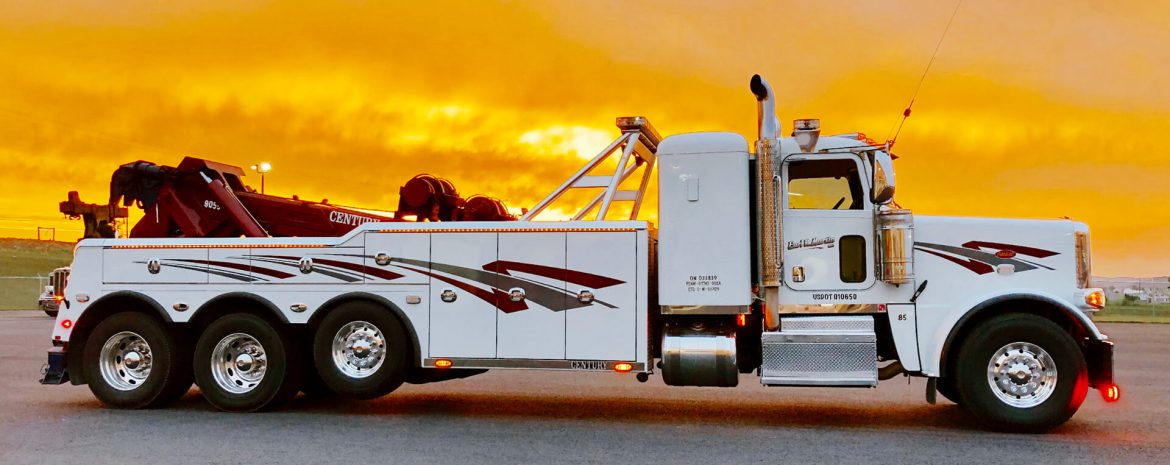
Commercial towing is a demanding industry that requires precision, responsibility, and strict safety standards. Whether towing delivery vans, construction vehicles, box trucks, or business fleets, operators must follow professional safety practices to protect drivers, vehicles, and other road users.
Implementing strong safety procedures ensures fewer accidents, smoother operations, and greater trust between towing companies and businesses. Below are the best safety practices in commercial towing operations every professional team should follow.
- Proper Training and Certification
One of the most important safety factors is ensuring that tow operators are highly trained and certified. Professional drivers should know:
- Towing laws and state regulations
- Safe loading and securing methods
- Weight limits and towing capacity
- Emergency response procedures
Certified operators reduce the risk of mistakes and ensure safe handling of commercial vehicles.
- Regular Equipment Inspection
Towing equipment must be inspected daily before use. This includes:
- Winches
- Tow chains and straps
- Wheel lifts
- Flatbeds
- Safety lights
Identifying worn-out or damaged parts early helps prevent mechanical failures during towing.
- Correct Vehicle Positioning and Securement
Commercial vehicles are often heavier and larger than passenger cars. Proper securement is crucial:
- Use high-strength straps and chains rated for the vehicle’s weight
- Double-check attachment points
- Distribute weight evenly on the tow truck
- Ensure wheel chocks and safety locks are in place
This prevents shifting, sliding, or detachment while towing. When trucks or vans break down, commercial towing from King’s Towing ensures fast and safe transport to repair facilities.
- Following Load and Tow Capacity Limits
Every tow truck has a maximum tow rating. Exceeding weight limits can cause:
- Strain on hydraulic systems
- Brake failure
- Overheating
- Dangerous instability
Sticking to manufacturer guidelines ensures safe and smooth operations.
- Using High-Visibility Warning Equipment
Commercial towing often takes place on busy highways or low-visibility conditions. Operators should use:
- Hazard lights
- Safety cones
- Reflective vests
- Traffic warning triangles
- LED signal bars
These safety tools make the scene visible to passing drivers, reducing collision risks.
- Communication and Coordination
Clear communication is essential, especially during complex towing or recovery situations. Teams should maintain communication via:
- Radios
- Mobile devices
- Hand signals
- GPS tracking
Efficient coordination prevents errors and ensures the job is completed quickly and safely.
- Following Roadway Safety Protocols
Operators must follow highway safety standards such as:
- Approaching breakdowns with caution
- Parking tow trucks at a safe angle
- Maintaining a safe distance from moving traffic
- Using proper lane control when loading
These practices protect both the towing team and stranded drivers.
- Emergency Preparedness
Tow operators must be ready for unexpected challenges, including:
- Roadside accidents
- Weather changes
- Mechanical failures
- Difficult vehicle recoveries
Carrying essential emergency tools ensures operators can respond quickly and safely.
Frequently Asked Questions (FAQs)
- Why is safety training important in commercial towing?
Because commercial vehicles are heavier and more complex, proper training helps reduce accidents, protect equipment, and ensure safe transport.
- How often should towing equipment be inspected?
Ideally, equipment should be inspected daily, and any worn or damaged components should be replaced immediately.
- What safety gear should operators use on highways?
Reflective vests, cones, hazard lights, and warning triangles are essential to alert other drivers.
- Can improper towing damage a commercial vehicle?
Yes. Incorrect securement, overloading, or using the wrong tow truck can cause structural damage or mechanical issues.
- How does communication improve towing safety?
Good communication ensures operators coordinate movements correctly, especially in heavy traffic or during complex recoveries.
Safety is the foundation of professional commercial towing. By following strict procedures—training operators, checking equipment, securing vehicles properly, and using the right safety tools—towing companies can minimize risks and deliver reliable service. Businesses that rely on commercial towing benefit from safer operations, reduced downtime, and greater peace of mind.
