

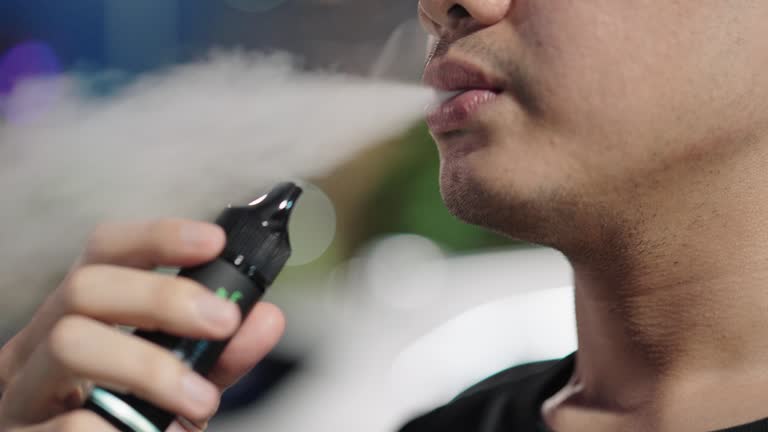
Portable vaping devices are available in different shapes, sizes, and designs to accommodate different consumer preferences. The term “Backpack Vape” may refer to a particular product or a category of portable vaping devices, depending on the manufacturer and market.
Compact construction, battery design, storage considerations, and product specifications are among the factors people may encounter when researching these devices. Understanding these characteristics is important for distinguishing practical design features from promotional claims.
This guide explores portable vape designs, common components, product quality considerations, potential health risks, and responsible handling. Exploring options to buy thc vape pens allows consumers to learn about different product categories and their characteristics.
- Understanding Backpack Vape Products
A backpack vape may be described in product listings as a portable vaping device intended to be carried in a bag or backpack. However, the name alone does not establish a particular manufacturer, device configuration, or technical specification.
Before evaluating a product, consumers should identify its exact model and manufacturer. Product descriptions should provide clear information about the device’s components, intended contents, battery specifications, and applicable safety requirements.
It is important not to assume that different products marketed under similar names share the same features.
- Portable Design and Physical Construction
Portability is an important characteristic of many modern electronic vaping devices. Manufacturers may focus on compact dimensions, lightweight materials, and integrated components.
Common design considerations include:
- Device dimensions – Overall size and physical shape.
- Construction materials – Materials used for the outer casing and internal components.
- Component protection – Protection against accidental physical damage.
- External controls – Buttons, indicators, or other visible controls.
- Product identification – Labels that identify the manufacturer and model.
A compact appearance does not automatically indicate strong construction or reliable internal components. Product specifications and credible manufacturing information remain important. People researching stiiizy dispo should consider product authenticity, ingredient transparency, and relevant safety information.
- Understanding Battery Components
Battery systems are an important part of electronic vaping devices. Many portable models use rechargeable lithium-ion batteries, while some disposable devices contain integrated batteries.
Battery-related specifications may include:
- Battery type and capacity
- Charging compatibility
- Manufacturer safety information
- Battery condition indicators
- Protection against electrical faults
Consumers should never use damaged or swollen batteries. Devices should also be kept away from excessive heat, moisture, and physical pressure.
A battery that becomes unusually hot, leaks, or shows signs of damage should be treated as a potential safety hazard. Consumers exploring ruby dispo should understand the importance of authentic product information and responsible awareness.
- Storage and Transportation Considerations
Carrying electronic devices in backpacks introduces practical storage considerations. Other objects inside a bag can place pressure on the device, damage its casing, or affect its battery.
General precautions include:
- Keep electronic devices protected from physical impacts.
- Avoid exposing them to direct sunlight or excessive temperatures.
- Keep devices away from water and moisture.
- Store products securely away from children and pets.
- Follow manufacturer instructions for storage and transportation.
- Observe applicable restrictions on carrying vaping products during air travel.
Devices containing cannabis or nicotine may also be subject to additional legal and transportation restrictions. A product that is permitted in one location may not be permitted elsewhere.
- Disposable and Rechargeable Device Differences
Portable vaping products generally fall into different design categories. Understanding these distinctions helps consumers interpret product descriptions.
| Device category | General design | Important consideration |
| Disposable vape | Integrated battery and product chamber | Creates electronic waste |
| Rechargeable vape | Battery designed for repeated charging | Requires compatible charging equipment |
| Cartridge-based device | Separate battery and replaceable cartridge | Compatibility and contents must be verified |
| Compact electronic vape | Smaller external construction | Internal specifications vary by model |
Each category has different maintenance, disposal, and safety considerations. None should automatically be considered risk-free. Consumers researching glitch extracts should pay attention to product authenticity and potential health considerations.
- Product Materials and Manufacturing Quality
The materials used in an electronic vaping device can influence its durability and physical construction.
Important quality considerations include the casing, electrical connections, battery enclosure, and other internal components. Consumers should look for clear manufacturer information and relevant product safety documentation.
Unverified products may have poorly documented components or inadequate quality controls. Attractive packaging and professional-looking designs do not guarantee reliable manufacturing.
Products with damaged casings, loose components, leaking contents, or unusual odors should not be used.
- Understanding Product Contents
The contents of a vaping device depend on its product category and formulation. Some products contain nicotine, while others may contain cannabis-derived compounds or other substances.
Consumers should never assume that a product is nicotine-free or THC-free based only on its name or appearance.
Ingredient transparency is important when evaluating any vaping product. Product labels should identify relevant ingredients and concentrations, where required by applicable regulations.
Products with unknown contents, missing labels, or unverifiable testing information present additional health concerns.
- Potential Health Considerations
Portability and compact construction do not eliminate the health risks associated with vaping.
Depending on the formulation, vaping may expose users to nicotine, THC, respiratory irritants, and other potentially harmful substances. Consumers researching a backpack vape should consider the device’s authenticity and applicable regulations.
Potential concerns include:
- Respiratory irritation
- Nicotine dependence
- Impaired attention and coordination
- Anxiety or dizziness
- Increased heart rate
- Exposure to harmful chemicals
- Uncertain long-term respiratory effects
THC-containing products can also impair memory, judgment, and reaction time. Anyone experiencing severe breathing difficulties, chest pain, or loss of consciousness should receive immediate medical attention.
People who do not currently vape should understand that starting introduces potential health risks.
- Battery Safety and Device Maintenance
Electronic vaping devices require careful handling because their batteries can present fire and injury hazards when damaged or improperly handled.
General safety considerations include:
- Do not puncture or dismantle lithium-ion batteries.
- Avoid using devices with damaged charging connections.
- Do not expose devices to excessive temperatures.
- Follow the manufacturer’s charging and storage instructions.
- Keep electronic devices away from flammable materials.
- Stop using a device that shows signs of overheating or battery damage.
Disposable devices should not be modified or opened to access their internal components.
- Environmental Impact of Portable Vapes
Disposable electronic vaping products can contribute to electronic waste. Their construction may combine batteries, circuit boards, plastic components, and other materials that require specialized disposal.
Improper disposal can create environmental contamination and increase fire risks in waste collection systems.
Consumers should check local battery recycling and electronic waste disposal programs. Devices should not be burned, crushed, or placed in recycling containers that do not accept electronic equipment. Consumers interested in packwoods x runts should review ingredient information and applicable product regulations.
Rechargeable designs may reduce the need to discard an entire device after a single battery cycle, although they still require appropriate maintenance and eventual disposal.
- Legal Considerations for Vaping Products
Vaping regulations differ across countries and regions. Some jurisdictions restrict particular ingredients, product categories, advertising practices, sales, or public consumption.
Cannabis-related vaping products may be subject to additional restrictions involving THC content, possession, distribution, and transportation.
Consumers should consult official local regulations before purchasing, possessing, or transporting any vaping product. Online advertisements should not be treated as proof of legal availability.
- How to Evaluate Portable Vape Product Information
When researching a product described as a Backpack Vape, consumers should focus on verifiable information rather than relying on its name or promotional presentation.
The following details can help establish whether a product is adequately documented:
- Manufacturer and exact model identification.
- Clear information about the device’s components.
- Battery specifications and safety documentation.
- Transparent ingredient and product labeling.
- Relevant independent testing information.
- Regulatory compliance and applicable restrictions.
- Appropriate storage and electronic waste instructions.
If important details are missing or cannot be independently verified, consumers should treat the product with caution. Readers interested in a jungle boy strain should distinguish verified strain information from promotional descriptions.
Conclusion
Backpack Vape products highlight the broader interest in portable vaping device designs and compact electronic construction. Features such as integrated components, battery systems, lightweight materials, and storage considerations can help explain how different devices are designed.
However, portability should never be confused with product safety. Manufacturing quality, ingredient transparency, battery condition, legal requirements, and potential health effects deserve careful consideration.
Ultimately, understanding these details helps consumers distinguish genuine product specifications from marketing claims and recognize the importance of responsible product evaluation.
